The WordPress.com stats helper monkeys prepared a 2014 annual report for this blog.
Here’s an excerpt:
A San Francisco cable car holds 60 people. This blog was viewed about 940 times in 2014. If it were a cable car, it would take about 16 trips to carry that many people.
“I have hardly been sick a day in my life. I take vitamins, try homeopathic remedies and have a great immune system,” says Kilian, 53.However, little did she know while treating her flu/bronchitis symptoms at home in November 2013, that she would end up in the hospital for nearly three weeks.”
Over the winter, I just wasn’t getting better,” says Kilian. “I was having trouble breathing and was starting to feel like I was gaining weight from eating healthy foods to keep my strength up. But, in reality, I was retaining fluid from heart failure.”
Kilian said that her water retention started out slowly, but it became more rapid as her symptoms progressed. Eventually, her brother, who lives in Naperville, brought her to the Elmhurst Memorial Hospital Emergency Department.”
The doctors were shocked at the amount of fluid that I had around my heart. I ended up with a pacemaker in the process,” says Kilian.
Thousands of Americans every year develop an abnormal heart rhythm after having major surgery. These episodes have long been considered a fleeting phenomenon that is generally not a cause for concern.
But a large new study suggests that doctors should take these abnormal heart rhythms, known as atrial fibrillation, or A-fib, more seriously. It found that patients who experienced one or more episodes after surgery had a striking increase in their risk of having a future stroke. The findings are likely to encourage doctors to potentially monitor and in some cases treat the patients who experience them.
“This is telling us that once you see atrial fibrillation in the hospital, that’s a marker of potential trouble to come,” said Dr. Donald Easton, a clinical professor of neurology at the University of California, San Francisco medical school.
A remarkable discovery in heart research was made by scientists at the Fraunhofer Institute for Interfacial Engineering and Biotechnology IGB in Stuttgart: they found the surface markers of cardiovascular functional living progenitor cells CPCs. This discovery is extremely important for heart research because it demonstrates that the cardiovascular progenitor cells CPCs can be derived from induced pluripotent stem cells, iPS cells. Investigation results were recently published in the journal PLoS ONE.
Progenitor cells are cells that are normally found only in the fetus and have the ability to develop into all cell types of the heart: cardiomyocytes, etc. The goal of the study led by Prof. Dr. Katja Schenke-by Layland from the Fraunhofer Institute for Interfacial Engineering and Biotechnology IGB in Stuttgart, was to produce functional cardiomyocytes from progenitor cells. Cardiomyocytes are heart muscle cells that play an essential role in contraction. Myocardial infarction leads to loss of functional cardiomyocytes. As a result of a blockage of a coronary artery, myocardium served by that artery will not be supplied with oxygen anymore, thus it will die. A frequent consequence of patients who suffer a heart attack is heart failure, which means decreased ability of the heart contraction.
“…Over the following months I experienced a whirlwind of physical and emotional changes. The treatment became increasingly arduous, and I lost the ability to perform even simple functions, including working, driving, preparing food, and running errands. At 31 years old, I thought anyone taking away my independence would be prying it from my cold, dead hands. Unfortunately, that was almost the case.
Thankfully, I had a community of supporters — family, coworkers, friends — who stepped up and took care of me when I needed it most.
When a person first gets a cancer diagnosis, they’re often so overwhelmed they have no idea how to ask for help or what to ask for — but they sure need it. If you have a friend or family member with cancer you want to help, don’t make the mistake of making a vague, questionably-sincere offer “Well, call me when you need me!” (they won’t).
Instead, make your friend’s life easier by anticipating his or her needs and giving tangible, much-needed support. Here is a list of the top favors people did for me that made my day (and made my life much easier!) after my cancer diagnosis…”
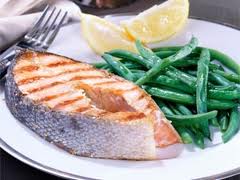
Eating fish 2-3 times a week can benefit your heart.
The American Heart Association has recommended consuming fish rich in omega-3 fatty acids at least twice a week for the benefit of your heart.
Yes, omega-3 supplements are popular nowadays, and are easily accessible in any supermarket or nutrition store. However, it is best to consume omega-3 through food rather than supplements for the best results.
In a new Scottish study, retirement-age subjects were asked to do six six-second sprints on a stationary bicycle with one minute of rest in between. After six weeks, their blood pressure dropped by a respectable 9 percent.
It’s possible these results might translate to younger folks, said Michele Olson, an exercise science professor and researcher at Auburn University in Alabama.
“Even a little activity can increase the efficiency of your heart and lead to more energy overall, no matter what your age,” she said.
Federal health officials estimate that nearly 48 million people are sickened by food contaminated with harmful germs each year, and some of the causes might surprise you.
Although most people know animal products must be handled carefully to prevent illness, many don’t realize that produce can also be the culprit in outbreaks of foodborne illness. In recent years, the United States has had several large outbreaks of illness caused by contaminated fruits and vegetables—including spinach, tomatoes, and lettuce.
Glenda Lewis, an expert on foodborne illness with the Food and Drug Administration, says fresh produce can become contaminated in many ways. During the growing phase, fruits and veggies may be contaminated by animals, harmful substances in the soil or water, and poor hygiene among workers. After produce is harvested, it passes through many hands, increasing the contamination risk. Contamination can even occur after the produce has been purchased, during food preparation, or through inadequate storage.
FDA says to choose produce that isn’t bruised or damaged, and make sure that pre-cut items—such as bags of lettuce or watermelon slices—are either refrigerated or on ice both in the store and at home. In addition, follow these recommendations:
Wash your hands for 20 seconds with warm water and soap before and after preparing fresh produce.
Cut away any damaged or bruised areas before preparing or eating.
Gently rub produce while holding under plain running water. There’s no need to use soap or a produce wash.
Wash produce BEFORE you peel it, so dirt and bacteria aren’t transferred from the knife onto the fruit or vegetable.
Use a clean vegetable brush to scrub firm produce, such as melons and cucumbers.
Dry produce with a clean cloth or paper towel to further reduce bacteria that may be present.
Throw away the outermost leaves of a head of lettuce or cabbage.
Lewis says consumers should store perishable produce in the refrigerator at 40 degrees or below.
This article appears on FDA’s Consumer Updates page, which features the latest on all FDA-regulated products.



 MaryO'Medical