Coronary Artery Disease Risk among Obese Metabolically Healthy Young Men.

Send to:

Eur J Endocrinol. 2015 Jun 3. pii: EJE-15-0284. [Epub ahead of print]

Coronary Artery Disease Risk among Obese Metabolically Healthy Young Men.

Twig G1, Gerstein H2, Ben-Ami Shor D3, Derazne E4, Tzur D5, Afek A6, Tirosh A7.

Abstract

OBJECTIVE:

The aim of this study was to assess CAD risk among obese young men without metabolic risk factors.

DESIGN:

longitudinal study in a historical cohort Methods: Incident CAD during a median follow-up of 6.1 years was assessed among 31,684 young men (mean age 31.2±5.7 years) of the Metabolic, Lifestyle and Nutrition Assessment in Young Adults (MELANY) cohort. Participants were categorized by BMI and the number of metabolic abnormalities (based on the Adult Treatment Panel-III). Metabolically healthy (MH) obesity was defined as BMI≥30 kg/m2 in the presence of normal blood pressure and normal levels of fasting glucose, triglyceride and HDL-cholesterol levels (n=599; 1.9%). Cox proportional hazard models were applied.

RESULTS:

There were 198 new cases of CAD that were diagnosed during 209,971 person-years of follow-up, of which 6 cases occurred among MH obese. The incidence of CAD among MH lean, overweight and obese participates was 0.23, 0.45 and 1.0 per 1,000 person-years, respectively. In a multivariable model adjusted for clinical and biochemical CAD risk factors, a higher CAD risk was observed among MH-obese (HR=3.08; 95%CI=1.10-8.68, p=0.033), compared to MH-normal weight subjects. This risk persisted when BMI was treated as a time-dependent variable, or when fasting glucose, HDL-cholesterol, triglycerides or blood pressure were added to the model. Similar results were also obtained when a more permissive definition of metabolic health was used.

CONCLUSIONS:

Obesity may continue to contribute to increased risk for incident CAD in young men even in the presence of a healthy metabolic profile.

PMID: 26041076 [PubMed – as supplied by publisher]

via Coronary Artery Disease Risk among Obese Metabolically Healthy Young Men. – PubMed – NCBI.

Snow shoveling: How to avoid a heart attack – WTOP

“Shoveling snow can, in fact, precipitate a heart attack, and it does for thousands of Americans every year,” says Dr. Warren Levy, chief medical officer of Virginia Heart, one of the largest cardiology practices in the region.

He says shoveling snow involves a level of exertion that most of us just are not used to and don’t do on a daily basis.

“It is the same sort of trouble people get into [when they] have never exercised and decide to suddenly train for a marathon,” Levy explained.

People most likely to have problems while shoveling snow are those already diagnosed with heart disease, or who have significant risk factors, such as high blood pressure, obesity, diabetes, cigarette smoking, a strong family history or a sedentary lifestyle.

Read more at Snow shoveling: How to avoid a heart attack – WTOP.

How to cook vegetables – Cook Smarts

veggies

This infographic and the videos below teach you our favorite cooking formulas (or techniques) for enjoying a wide variety of vegetables: sauteing, steaming, roasting, boiling, microwaving, including in salads, pureeing into soups, and turning into zucchini noodles. Enjoy them in season for the tastiest (and least expensive results).

Read more at How to cook vegetables – Cook Smarts.

Heart failure symptoms easy to miss for unsuspecting patients – Chicago Tribune

“I have hardly been sick a day in my life. I take vitamins, try homeopathic remedies and have a great immune system,” says Kilian, 53.However, little did she know while treating her flu/bronchitis symptoms at home in November 2013, that she would end up in the hospital for nearly three weeks.”

Over the winter, I just wasn’t getting better,” says Kilian. “I was having trouble breathing and was starting to feel like I was gaining weight from eating healthy foods to keep my strength up. But, in reality, I was retaining fluid from heart failure.”

Kilian said that her water retention started out slowly, but it became more rapid as her symptoms progressed. Eventually, her brother, who lives in Naperville, brought her to the Elmhurst Memorial Hospital Emergency Department.”

The doctors were shocked at the amount of fluid that I had around my heart. I ended up with a pacemaker in the process,” says Kilian.

Read the entire article at Heart failure symptoms easy to miss for unsuspecting patients – Chicago Tribune.

A New Surgery Risk – NYTimes.com

Thousands of Americans every year develop an abnormal heart rhythm after having major surgery. These episodes have long been considered a fleeting phenomenon that is generally not a cause for concern.

But a large new study suggests that doctors should take these abnormal heart rhythms, known as atrial fibrillation, or A-fib, more seriously. It found that patients who experienced one or more episodes after surgery had a striking increase in their risk of having a future stroke. The findings are likely to encourage doctors to potentially monitor and in some cases treat the patients who experience them.

“This is telling us that once you see atrial fibrillation in the hospital, that’s a marker of potential trouble to come,” said Dr. Donald Easton, a clinical professor of neurology at the University of California, San Francisco medical school.

Read more at  A New Surgery Risk – NYTimes.com.

Big Step in regenerating the heart muscle

A remarkable discovery in heart research was made by scientists at the Fraunhofer Institute for Interfacial Engineering and Biotechnology IGB in Stuttgart: they found the surface markers of cardiovascular functional living progenitor cells CPCs. This discovery is extremely important for heart research because it demonstrates that the cardiovascular progenitor cells CPCs can be derived from induced pluripotent stem cells, iPS cells. Investigation results were recently published in the journal PLoS ONE.

Progenitor cells are cells that are normally found only in the fetus and have the ability to develop into all cell types of the heart: cardiomyocytes, etc. The goal of the study led by Prof. Dr. Katja Schenke-by Layland from the Fraunhofer Institute for Interfacial Engineering and Biotechnology IGB in Stuttgart, was to produce functional cardiomyocytes from progenitor cells. Cardiomyocytes are heart muscle cells that play an essential role in contraction. Myocardial infarction leads to loss of functional cardiomyocytes. As a result of a blockage of a coronary artery, myocardium served by that artery will not be supplied with oxygen anymore, thus it will die. A frequent consequence of patients who suffer a heart attack is heart failure, which means decreased ability of the heart contraction.

Read more at Big Step in regenerating the heart muscle.

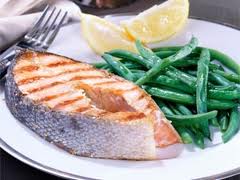
Heart healthy: The benefits of fish

eat-fish


Eating fish 2-3 times a week can benefit your heart.

The American Heart Association has recommended consuming fish rich in omega-3 fatty acids at least twice a week for the benefit of your heart.

Yes, omega-3 supplements are popular nowadays, and are easily accessible in any supermarket or nutrition store. However, it is best to consume omega-3 through food rather than supplements for the best results.

Read more at  Heart healthy: The benefits of fish | NJ.com.

Heart Of The Matter: Treating The Disease Instead Of The Person : Shots – Health News : NPR

Many times patients and doctors see the same hospital visit through different eyes.

This NPR article discusses the importance of seeing things from both sides…


Heart Of The Matter: Treating The Disease Instead Of The Person : Shots – Health News : NPR.

Menopausal Hormone Therapy

PS-main-logo

Menopausal Hormone Therapy and Health Outcomes During the Intervention and Extended Poststopping Phases of the Women’s Health Initiative Randomized Trials

JAMA, 10/02/2013  Evidence Based Medicine  Clinical Article

Manson JE et al. – Menopausal hormone therapy continues in clinical use but questions remain regarding its risks and benefits for chronic disease prevention. To report a comprehensive, integrated overview of findings from the 2 Women’s Health Initiative (WHI) hormone therapy trials with extended postintervention follow–up. Menopausal hormone therapy has a complex pattern of risks and benefits. Findings from the intervention and extended postintervention follow–up of the 2 WHI hormone therapy trials do not support use of this therapy for chronic disease prevention, although it is appropriate for symptom management in some women.

Methods

  • A total of 27 347 postmenopausal women aged 50 to 79 years were enrolled at 40 US centers.
  • Women with an intact uterus received conjugated equine estrogens (CEE; 0.625 mg/d) plus medroxyprogesterone acetate (MPA; 2.5 mg/d) (n = 8506) or placebo (n = 8102).
  • Women with prior hysterectomy received CEE alone (0.625 mg/d) (n = 5310) or placebo (n = 5429).
  • The intervention lasted a median of 5.6 years in CEE plus MPA trial and 7.2 years in CEE alone trial with 13 years of cumulative follow–up until September 30, 2010.
  • Primary efficacy and safety outcomes were coronary heart disease (CHD) and invasive breast cancer, respectively.
  • A global index also included stroke, pulmonary embolism, colorectal cancer, endometrial cancer, hip fracture, and death.

Results

  • During the CEE plus MPA intervention phase, the numbers of CHD cases were 196 for CEE plus MPA vs 159 for placebo (hazard ratio [HR], 1.18; 95% CI, 0.95–1.45) and 206 vs 155, respectively, for invasive breast cancer (HR, 1.24; 95% CI, 1.01–1.53).
  • Other risks included increased stroke, pulmonary embolism, dementia (in women aged >=65 years), gallbladder disease, and urinary incontinence; benefits included decreased hip fractures, diabetes, and vasomotor symptoms.
  • Most risks and benefits dissipated postintervention, although some elevation in breast cancer risk persisted during cumulative follow–up (434 cases for CEE plus MPA vs 323 for placebo; HR, 1.28 [95% CI, 1.11–1.48]).
  • The risks and benefits were more balanced during the CEE alone intervention with 204 CHD cases for CEE alone vs 222 cases for placebo (HR, 0.94; 95% CI, 0.78–1.14) and 104 vs 135, respectively, for invasive breast cancer (HR, 0.79; 95% CI, 0.61–1.02); cumulatively, there were 168 vs 216, respectively, cases of breast cancer diagnosed (HR, 0.79; 95% CI, 0.65–0.97).
  • Results for other outcomes were similar to CEE plus MPA.
  • Neither regimen affected all–cause mortality.
  • For CEE alone, younger women (aged 50–59 years) had more favorable results for all–cause mortality, myocardial infarction, and the global index (nominal P < .05 for trend by age).
  • Absolute risks of adverse events (measured by the global index) per 10 000 women annually taking CEE plus MPA ranged from 12 excess cases for ages of 50–59 years to 38 for ages of 70–79 years; for women taking CEE alone, from 19 fewer cases for ages of 50–59 years to 51 excess cases for ages of 70–79 years.
  • Quality–of–life outcomes had mixed results in both trials.

From http://www.mdlinx.com/internal-medicine/newsl-article.cfm/4870253/ZZ4747461521296427210947/?news_id=466&newsdt=100213&utm_source=Newsletter&utm_medium=DailyNL&utm_content=General-Article&utm_campaign=Article-Section

The Difference Between Sudden Cardiac Arrest and Heart Attacks

Cardiac Arrest Survival

Cardiac Arrest Survival (Photo credit: GEEKSTATS)

, director of cardiology at Johns Hopkins Hospital, talks about the difference between sudden cardiac arrest and a heart attack and what those at risk can do.

Question: What is sudden cardiac arrest?

Answer: Sudden cardiac arrest refers to collapse and loss of consciousness due to a dramatic fall in blood pressure. This is often but not always the result of a life-threatening arrhythmia or an abnormality of the normal rhythmic activity of the heart. An excessively fast or slow heart rate can cause a profound drop in the blood pressure and sudden cardiac arrest. [It] is not a heart attack or myocardial infarction, which refers to a critical blockage in a blood vessel that supplies blood, oxygen and nutrients to the heart muscle. A blockage in a blood vessel can cause part of the heart muscle to die and be replaced by scar.

Q: How common is it, and who is at risk?

A: The risk factors for sudden cardiac arrest include the presence of heart disease, a family history and many of the factors that increase the risk for a heart attack, such as smoking, obesity, physical inactivity, high blood pressure, high cholesterol, high blood sugar or diabetes, and a poor diet. If someone has heart disease, particularly with weakness of the heart muscle, they may be at particularly high risk for sudden cardiac arrest and may benefit from implantation of an Implantable Cardioverter Defibrillator. [The defibrillators] may also benefit patients with a family history of sudden cardiac arrest and/or a genetic tendency to arrhythmias.

Q: How can you prevent sudden cardiac arrest?

A: In some cases, sudden cardiac arrest can be brought on by exertion, but this is not always the case, as sudden cardiac arrest often occurs when one is at rest. Physical activity is generally good for all of us. Those with known heart disease should consult their health care provider about the details of their own physical activity, but generally, even patients with heart disease should try to remain active. It’s wise to avoid extreme activity, particularly in harsh environmental conditions, such as heat or cold. For anyone who exercises, symptoms such as profound dizziness or lightheadedness, chest pain, shortness of breath, extreme fatigue and/or palpitations should prompt cessation of exercise and depending upon the severity of the symptoms and get prompt medical attention.

Q: How is sudden cardiac arrest different from a heart attack?

A: Heart attacks are caused by blockage of the arteries, which supply oxygen and nutrients. These most often are accompanied by chest pain and/or shortness of breath. Sudden cardiac arrest can be a complication of a heart attack, but it can occur without a heart attack. The treatment of a heart attack is to limit the damage to the heart by promptly opening up the involved blood vessel by a procedure known as angioplasty and by placing a stent to keep that vessel open. The treatment of sudden cardiac arrest is restoration of the heart’s normal rate of contraction and rhythm, and this typically involves a shock to the chest that’s known as cardioversion or defibrillation.

Q: How quickly do you need to be treated to survive?

A: The most common arrhythmias or irregularities of the heart that cause sudden cardiac arrest are rapid heart rhythms from the heart’s lower chamber. These are called ventricular tachycardia and ventricular fibrillation. If these arrhythmias are not promptly corrected by a shock to the chest, the individual will die. In the case of ventricular fibrillation, this may take only minutes. One can buy time by performing effective CPR. Just chest compressions, or so-called “hands-only” CPR, can be lifesaving.

Adapted from The Baltimore Sun