Big Step in regenerating the heart muscle

A remarkable discovery in heart research was made by scientists at the Fraunhofer Institute for Interfacial Engineering and Biotechnology IGB in Stuttgart: they found the surface markers of cardiovascular functional living progenitor cells CPCs. This discovery is extremely important for heart research because it demonstrates that the cardiovascular progenitor cells CPCs can be derived from induced pluripotent stem cells, iPS cells. Investigation results were recently published in the journal PLoS ONE.

Progenitor cells are cells that are normally found only in the fetus and have the ability to develop into all cell types of the heart: cardiomyocytes, etc. The goal of the study led by Prof. Dr. Katja Schenke-by Layland from the Fraunhofer Institute for Interfacial Engineering and Biotechnology IGB in Stuttgart, was to produce functional cardiomyocytes from progenitor cells. Cardiomyocytes are heart muscle cells that play an essential role in contraction. Myocardial infarction leads to loss of functional cardiomyocytes. As a result of a blockage of a coronary artery, myocardium served by that artery will not be supplied with oxygen anymore, thus it will die. A frequent consequence of patients who suffer a heart attack is heart failure, which means decreased ability of the heart contraction.

Read more at Big Step in regenerating the heart muscle.

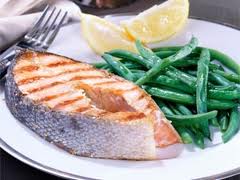
Heart healthy: The benefits of fish

eat-fish


Eating fish 2-3 times a week can benefit your heart.

The American Heart Association has recommended consuming fish rich in omega-3 fatty acids at least twice a week for the benefit of your heart.

Yes, omega-3 supplements are popular nowadays, and are easily accessible in any supermarket or nutrition store. However, it is best to consume omega-3 through food rather than supplements for the best results.

Read more at  Heart healthy: The benefits of fish | NJ.com.

Heart Of The Matter: Treating The Disease Instead Of The Person : Shots – Health News : NPR

Many times patients and doctors see the same hospital visit through different eyes.

This NPR article discusses the importance of seeing things from both sides…


Heart Of The Matter: Treating The Disease Instead Of The Person : Shots – Health News : NPR.

Low Sodium Chicken Cacciatore

This is a throw together, very easy kind of meal.

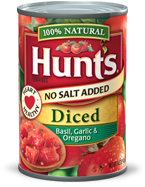
diced-basil-garlic-oregano-NSAI took a couple thawed chicken breasts and browned a little in the Ninja (stovetop high).

I put in 2 cans of no-salt-added diced tomatoes with basil, oregano and garlic.

Added about a cup of frozen mixed cut peppers and onions.

Simmered for about 20 minutes on stovetop medium.

Very yummy!


It’s Fruit and Veggie Season Again :)

hippocratesfoodquote


Federal health officials estimate that nearly 48 million people are sickened by food contaminated with harmful germs each year, and some of the causes might surprise you.

Although most people know animal products must be handled carefully to prevent illness, many don’t realize that produce can also be the culprit in outbreaks of foodborne illness. In recent years, the United States has had several large outbreaks of illness caused by contaminated fruits and vegetables—including spinach, tomatoes, and lettuce.

Glenda Lewis, an expert on foodborne illness with the Food and Drug Administration, says fresh produce can become contaminated in many ways. During the growing phase, fruits and veggies may be contaminated by animals, harmful substances in the soil or water, and poor hygiene among workers. After produce is harvested, it passes through many hands, increasing the contamination risk. Contamination can even occur after the produce has been purchased, during food preparation, or through inadequate storage.

FDA says to choose produce that isn’t bruised or damaged, and make sure that pre-cut items—such as bags of lettuce or watermelon slices—are either refrigerated or on ice both in the store and at home. In addition, follow these recommendations:

  • Wash your hands for 20 seconds with warm water and soap before and after preparing fresh produce.
  • Cut away any damaged or bruised areas before preparing or eating.
  • Gently rub produce while holding under plain running water. There’s no need to use soap or a produce wash.
  • Wash produce BEFORE you peel it, so dirt and bacteria aren’t transferred from the knife onto the fruit or vegetable.
  • Use a clean vegetable brush to scrub firm produce, such as melons and cucumbers.
  • Dry produce with a clean cloth or paper towel to further reduce bacteria that may be present.
  • Throw away the outermost leaves of a head of lettuce or cabbage.


Lewis says consumers should store perishable produce in the refrigerator at 40 degrees or below.

This article appears on FDA’s Consumer Updates page, which features the latest on all FDA-regulated products.

As of Today…

Cardiac rehab is finished!

WOOHOO


The heart attack was January 27, 2013 and it took until today to finish the rehab but it got done.  We’ve both learned quite a bit and I doubt that we’ll ever go back to our earlier way of eating.

What a journey this has been – and I hope it’s done now.

I know that there’s always something else right around the corner but I hope it doesn’t hit us too soon.

Prevent heart attack and stroke

Generic regular strength enteric coated 325mg ...

Generic regular strength enteric coated 325mg aspirin tablets. The orange tablets are imprinted in black with “L429”. (Photo credit: Wikipedia)

This brief article will provide information and links to where additional information can be found to help you recognize and hopefully prevent a heart attack or stroke.

According to cardiologists, most heart attacks occur in the day, generally between 6 a.m. and noon. If you take an aspirin or a baby aspirin once a day, take it at night. Aspirin has a 24-hour “half-life” therefore, the aspirin would be strongest in your system when most heart attacks happen, in the wee hours of the morning.

A 2012 RetiredBrains survey of cardiologists provides the following information on the symptoms, warning signs and treatment for heart attack and stroke.

How to recognize heart attack symptoms

Chest discomfort that feels like pressure, or seems like a squeezing pain in the center of your chest. This pain generally lasts for more than a few minutes, but sometimes goes away and returns.

Pain and/or discomfort that extends beyond your chest to other parts of your upper body, such as one or both arms, back, neck, stomach, teeth, and even your jaw; shortness of breath, with or without chest discomfort. Other symptoms include: cold sweats, nausea or vomiting, lightheadedness, indigestion, and fatigue.

What should I do when heart attack symptoms occur

If you or someone you are with experiences chest discomfort or other heart attack symptoms the first thing you should do is call 9-1-1.

Don’t wait to make the call. Don’t drive yourself to the hospital. Don’t drive the person having a heart attack to the hospital. Immediate treatment lessens heart damage and can save your life. Emergency medical services personnel can begin treatment in the ambulance on the way to the hospital and are trained to revive a person if his/her heart stops. Some people delay treatment because they are not sure they are really having a heart attack. Remember call 911 immediately as treatment given within an hour of the first heart attack symptoms saves lives and damage to the heart and substantially increases the chances of survival.

What should I do before paramedics arrive

If 911 has been called:

1. Try to keep the person calm, and have them sit or lie down.

2. If the person isn’t allergic to aspirin, have them chew and swallow an aspirin (It works faster when chewed than swallowed whole.)

3. If the person stops breathing, you or someone else who is qualified should perform CPR immediately. If you don’t know CPR, the 9-1-1 operator can assist you until the EMS personnel arrive.

For more information, check out the heart disease section on Mayo Clinic’s site and the warning signs of heart attack, stroke and cardiac arrest, compiled by the American Heart Association.

The information contained in this article should not be substituted for the advice of your physician. If you experience any symptoms or are concerned about your health in any way, you should immediately seek the advice of your physician.

From MarketWatch

The Difference Between Sudden Cardiac Arrest and Heart Attacks

Cardiac Arrest Survival

Cardiac Arrest Survival (Photo credit: GEEKSTATS)

, director of cardiology at Johns Hopkins Hospital, talks about the difference between sudden cardiac arrest and a heart attack and what those at risk can do.

Question: What is sudden cardiac arrest?

Answer: Sudden cardiac arrest refers to collapse and loss of consciousness due to a dramatic fall in blood pressure. This is often but not always the result of a life-threatening arrhythmia or an abnormality of the normal rhythmic activity of the heart. An excessively fast or slow heart rate can cause a profound drop in the blood pressure and sudden cardiac arrest. [It] is not a heart attack or myocardial infarction, which refers to a critical blockage in a blood vessel that supplies blood, oxygen and nutrients to the heart muscle. A blockage in a blood vessel can cause part of the heart muscle to die and be replaced by scar.

Q: How common is it, and who is at risk?

A: The risk factors for sudden cardiac arrest include the presence of heart disease, a family history and many of the factors that increase the risk for a heart attack, such as smoking, obesity, physical inactivity, high blood pressure, high cholesterol, high blood sugar or diabetes, and a poor diet. If someone has heart disease, particularly with weakness of the heart muscle, they may be at particularly high risk for sudden cardiac arrest and may benefit from implantation of an Implantable Cardioverter Defibrillator. [The defibrillators] may also benefit patients with a family history of sudden cardiac arrest and/or a genetic tendency to arrhythmias.

Q: How can you prevent sudden cardiac arrest?

A: In some cases, sudden cardiac arrest can be brought on by exertion, but this is not always the case, as sudden cardiac arrest often occurs when one is at rest. Physical activity is generally good for all of us. Those with known heart disease should consult their health care provider about the details of their own physical activity, but generally, even patients with heart disease should try to remain active. It’s wise to avoid extreme activity, particularly in harsh environmental conditions, such as heat or cold. For anyone who exercises, symptoms such as profound dizziness or lightheadedness, chest pain, shortness of breath, extreme fatigue and/or palpitations should prompt cessation of exercise and depending upon the severity of the symptoms and get prompt medical attention.

Q: How is sudden cardiac arrest different from a heart attack?

A: Heart attacks are caused by blockage of the arteries, which supply oxygen and nutrients. These most often are accompanied by chest pain and/or shortness of breath. Sudden cardiac arrest can be a complication of a heart attack, but it can occur without a heart attack. The treatment of a heart attack is to limit the damage to the heart by promptly opening up the involved blood vessel by a procedure known as angioplasty and by placing a stent to keep that vessel open. The treatment of sudden cardiac arrest is restoration of the heart’s normal rate of contraction and rhythm, and this typically involves a shock to the chest that’s known as cardioversion or defibrillation.

Q: How quickly do you need to be treated to survive?

A: The most common arrhythmias or irregularities of the heart that cause sudden cardiac arrest are rapid heart rhythms from the heart’s lower chamber. These are called ventricular tachycardia and ventricular fibrillation. If these arrhythmias are not promptly corrected by a shock to the chest, the individual will die. In the case of ventricular fibrillation, this may take only minutes. One can buy time by performing effective CPR. Just chest compressions, or so-called “hands-only” CPR, can be lifesaving.

Adapted from The Baltimore Sun
Food…

…in a nutshell <ahem!>

good-food-bad-food

Heart Attack? Doctors Soon May Have an App for That

There are apps that turn your smartphone into a metal detector, a musical instrument and a GPS system, and now there’s an app that may help doctors save your life if you’re having a heart attack.

The app, which was designed by engineers and critical care physicians, helps doctors rapidly diagnose certain kinds of severe heart attacks, called STEMIs, before patients get to the hospital.

The app currently is in the experimental stage, but it has undergone field testing.

In a STEMI heart attack, which stands for ST segment elevated myocardial infarction, a clot completely blocks blood flow to the heart. About a quarter of a million people have STEMIs each year in the United States.

These kinds of heart attacks create a unique pattern of pulses when doctors hook up patients to an electrocardiogram, or EKG, machine, which measures the heart’s electrical activity.

The problem is that doctors need to see the EKG reading, which is called a tracing, to properly diagnose the attack and quickly assemble the team of specialists that is needed to clear the clot.

There are proprietary systems that use EKG machines hooked up to modems to send images back to hospital computers, but those systems are expensive and not all hospitals and EMS systems can afford them.

As an alternative, paramedics can use their smartphones in the field to snap a picture of the tracing and send it to a doctor at the hospital via email.

But as anyone who has ever tried to email a picture from their phone knows, it’s far from foolproof. Large, high-quality images — the kind doctors need to see — can take several minutes to send and receive.

To address the issue, Dr. David Burt, an associate professor of emergency medicine at the University of Virginia, challenged a class of systems engineering students to develop an app that could shrink images to make them faster to send, but still maintain the clarity needed for diagnoses.

“It’s very easy to use,” Burt said. “You hold it over the EKG tracing, you snap a picture.” Hitting a button sends the image. When it’s finished, the app shakes and makes noise to alert senders to the successful transmission.

“It’s very simple but we want it to be very rugged, so that it’s kind of like a hammer — it always works,” he said. He also wants to offer the app at no cost to doctors and hospitals.

So far, Burt said, they have tested the app more than 1,500 times using different wireless carriers in a city.

They also have pitted the app against the alternative method of using an iPhone to email a picture. In that study, the app consistently sent images within four to six seconds. Emailed images could take nearly two minutes to go through. The app failed less than 1 percent of the time, while the emailed images flopped between 3 percent and 71 percent of the time, according to the study.

The study is scheduled for presentation Friday at an American Heart Association meeting in Baltimore. Studies presented at medical conferences are considered preliminary because they haven’t yet undergone the scrutiny required for publication in a peer-reviewed journal.

Dr. Iltifat Husain, founder of the iMedicalApps website, which keeps up with news about technology in medicine, said he was impressed by the app, but also by how thoroughly the team has been testing it. Husain estimates that less than 1 percent of apps that are developed for doctors are field tested to see if they actually work.

“Something like this would have to be tested before it was put to use because of how critical the information is that you’re relaying,” said Husain, who was not involved in the research.

Husain, who also is an emergency medicine resident at Wake Forest University in Winston-Salem, N.C., said the time the app shaves off image transmission could be critical.

“The longer you wait, the more heart muscle dies, so every minute counts,” he said. “Actually, every second counts.”

Surviving a STEMI depends on how quickly doctors can restore blood flow, which often is done by snaking a catheter up to the heart and using a small balloon to clear the clot.

“We’ll get an EKG reading and the ER physician will activate the cath lab. Once you activate it, a huge team has to be assembled,” Husain said. “If it’s overnight, people are sometimes coming in from home. If you can get someone coming in from home five minutes faster, I think it’s a big deal.”

More information

For more about heart attacks, head to the U.S. National Heart, Lung, and Blood Institute.

SOURCES: David Burt, M.D., associate professor of emergency medicine, University of Virginia, Charlottesville; Iltifat Husain, M.D., second-year emergency medicine resident, Wake Forest Baptist Health System, Winston-Salem, N.C., and founder, iMedicalApps website; May 17, 2013, presentation, American Heart Association meeting, Baltimore

Read more at http://www.philly.com