It’s American Heart Month and you should celebrate by feeding your body the right foods.A healthy heart starts with the right diet.This list of foods provides the right balance of fats, amino acids, vitamins and more to keep your heart pumping strong your entire life.To help you get started on the journey, here are eight superfoods to add to your grocery list…
No, I don’t think bees have knees but I do – and one of them was hurting a lot. Mine started, I think, the day after DH’s heart attack – January 28, 2013.
Fast forward to January 2016.
I fell in the bathroom in the middle of the night and hit my left knee on the tub. I used a brace for a few days and it seemed better.
Around January 27-28, I was in Walmart and had to get a produce bag that was way over my head. I had to stand on tiptoe…and my knee felt like something ripped. Thankfully, I had a cart available to use as a temporary crutch.
Got home, used the brace, took Tylenol but the pain got worse.
Thursday, I drove home from choir at church. My car is a manual so the act of using the clutch, extending my foot that way, made everything worse again.
Friday, we went to the Limp-In Clinic in Greenbriar. That doctor was going to prescribe Cortef or NSAIDs but I couldn’t take either due to my history of Cushing’s (Cortef) and kidney cancer (NSAIDs). He prescribed Vicodin and sent me for an x-ray.
January 31, I got very itchy, presumably from Vicodin so I stopped that and started taking Benadryl for the itchiness.
February 2, I went back to the clinic for the results of x-rays and I mentioned the itchiness. Since I have very limited meds available to me, he recommended an Orthopedist. I called him when I got home and he didn’t take my insurance. I tried another doctor who supposedly took my insurance but they didn’t.
February 7, I really needed the sleep so I took half a Vicodin. No pain and no itching. HOORAY!
I was surprised that she thought my knee was swollen but one of my therapists showed me later that it was.
She referred me to Physical Therapy (PT) and prescribed Ultram http://www.drugs.com/ultram.html. As of this writing, I haven’t used that yet.
February 11, 8:30 am My first appointment with PT. Since my blood pressure was high, we mostly did assessments. I had a main therapist and a student. They had to use 3 types of BP machine to do this.
I bent my knee and they took measurements with a caliper. I lay on my front and they manipulated my knee to see what happened. They also concluded that it was a lateral collateral ligament.
A suggestion – to rest my foot on the walker without the brace and see if gravity helps my knee straighten out.
After this, there was more pain than before but I know this is the right thing to do.
February 13. My leg feels a bit better. I had the brace off last night and almost straightened my knee out.
Somewhere in this period, I learned how to manually move my knee cap (patella) around. I saw my day 1 therapist again and he said my knee was angry. Swollen, angry, whatever. I just want a normal non-hurting knee!
One of the therapists had me doing a stretching exercise and my hip was out of kilter (everything is attached!) since I’ve been walking with my knee bent. So she manipulated that back into alignment.
February 22, A new-to-me therapist had me do an exercise with a basketball under my knee, pointing my toe to the left. I didn’t remember doing that before but she said I had. Hmmm…
That hurt too much so we moved to a foam roll under my knee. It was still uncomfortable but I did it, a bit too much, apparently.
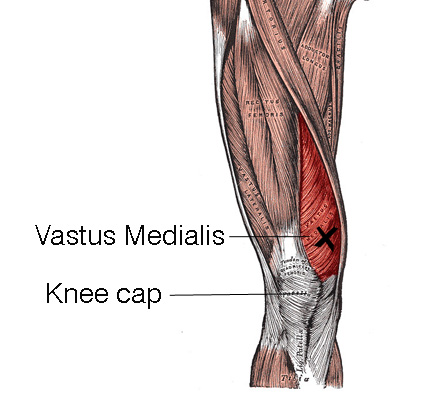
Turns out this exercise hurt my “VMO”, which is short for Vastus Medialis Oblique.
“This is the most important quad muscle and arguably the most responsible muscle for knee stability. The VMO’s main function is to control knee extension…” Read more at http://sportskneetherapy.com/the-best-vmo-exercises/
February 25, My VMO pain still hurt. I told my regular therapist about it and she worked on it some. She concurred that my knee was swollen.
February 26, I went all day with no brace at all!! A bit of pain but manageable.
Today is February 28 and I haven’t worn the brace since the 27th. I still need assistance to get up from sitting but I can see huge improvement.
I still have 6 more PT sessions, finishing on March 16, but I’m really impressed with what they’ve done for me. I still have twinges of pain and I don’t plan on stepping on tiptoe anytime soon but I can tell I’m on the right track.
If there are any significant changes (I sure hope not!), I’ll post an update. When I’m done – and have approval – I intend to keep exercising, walking, climbing stairs, riding the bike. I never, ever want to go through this kind of pain again.
I’ve learned a lot from PT – lots of new exercises, stretching, how to move manually my knee cap, all kinds of muscle names, that the lateral collateral ligament is attached to my ankle, that ice is better than heat for this kind of thing.
Today is Valentine’s Day, and not quite the way one would plan to celebrate but at least we no longer have a broken heart here.
This journey probably began a long time ago but the first we heard of it was our wedding anniversary, January 27, 2013.
Two and a half weeks later, the surgery is over, the wounds are healing, things are sort of normalizing. I know that there’s a long way to go – more doctors, start rehab, relearn life. But, at least we’re on the other side of the crisis now.
February is American Heart Month. Learn about heart disease in women and what you can do to keep a healthy heart.
Get Informed: Facts on Women and Heart Disease
Heart disease is the leading cause of death for women in the United States.
Although heart disease is sometimes thought of as a “man’s disease,” around the same number of women and men die each year of heart disease in the United States.
Some conditions and lifestyle choices increase a person’s chance for heart disease, including diabetes, overweight and obesity, poor diet, physical inactivity, and excessive alcohol use.
High blood pressure, high LDL (low-density lipoprotein) cholesterol, and smoking are key risk factors for heart disease. LDL is considered the “bad” cholesterol because having high levels can lead to buildup in your arteries and result in heart disease and stroke. Lowering your blood pressure and cholesterol and not smoking will reduce your chances for heart disease.
Symptoms
While some women have no symptoms of heart disease, others may experience heavy sharp chest pain or discomfort, pain in the neck/jaw/throat, or pain in the upper abdomen or back. Sometimes heart disease may be silent and not diagnosed until a woman has signs or symptoms including:
Heart Attack: Chest pain or discomfort, upper back pain, indigestion, heartburn, nausea/vomiting, extreme fatigue, upper body discomfort, and shortness of breath.
Arrhythmia: Fluttering feelings in the chest.
Heart Failure: Shortness of breath, fatigue, swelling of the feet/ankles/legs/abdomen.
Stroke: Sudden weakness, paralysis (inability to move) or numbness of the face/arms/legs, especially on one side of the body. Other symptoms may include confusion, trouble speaking or understanding speech, difficulty seeing in one or both eyes, shortness of breath, dizziness, loss of balance or coordination, loss of consciousness, or sudden and severe headache.
Healthy Hearts
Heart disease is largely preventable. Listen to CDC’s Dr. Bowman discuss ways to prevent heart problems.
[00:04:06 minutes]
What You Can Do for Heart Health
You can lower your chance of heart disease and a heart attack by taking simple steps.
Eat a healthy diet with fruits, vegetables, whole grains, and fat-free or low-fat milk and milk products. Choose foods low in saturated fats, cholesterol, salt (sodium), and added sugars.
Exercise regularly. Adults needs 2 hours and 30 minutes (or 150 minutes total) of exercise each week. You can spread your activity out during the week, and can break it up into smaller chunks of time during the day.
Be smokefree. If you are ready to quit, call 1-800-QUIT-NOW (1-800-784-8669) or 1-855-DÉJELO-YA (1-855-335-3569 for Spanish speakers) for free resources, including free quit coaching, a free quit plan, free educational materials, and referrals to other resources where you live.
Limit alcohol use, which can lead to long-term health problems, including heart disease and cancer. If you do choose to drink, do so in moderation, which is no more than one drink a day for women. Do not drink at all if you are pregnant.
Know your family history. There may be factors that could increase your risk for heart disease and stroke.
Manage any medical condition you might have. Learn the ABCS of heart health. Keep them in mind every day and especially when you talk to your health provider:
This was posted today on Facebook from Jeannie Middlebrooks, an EMS provider. She says “Anyone can message me with questions too!”
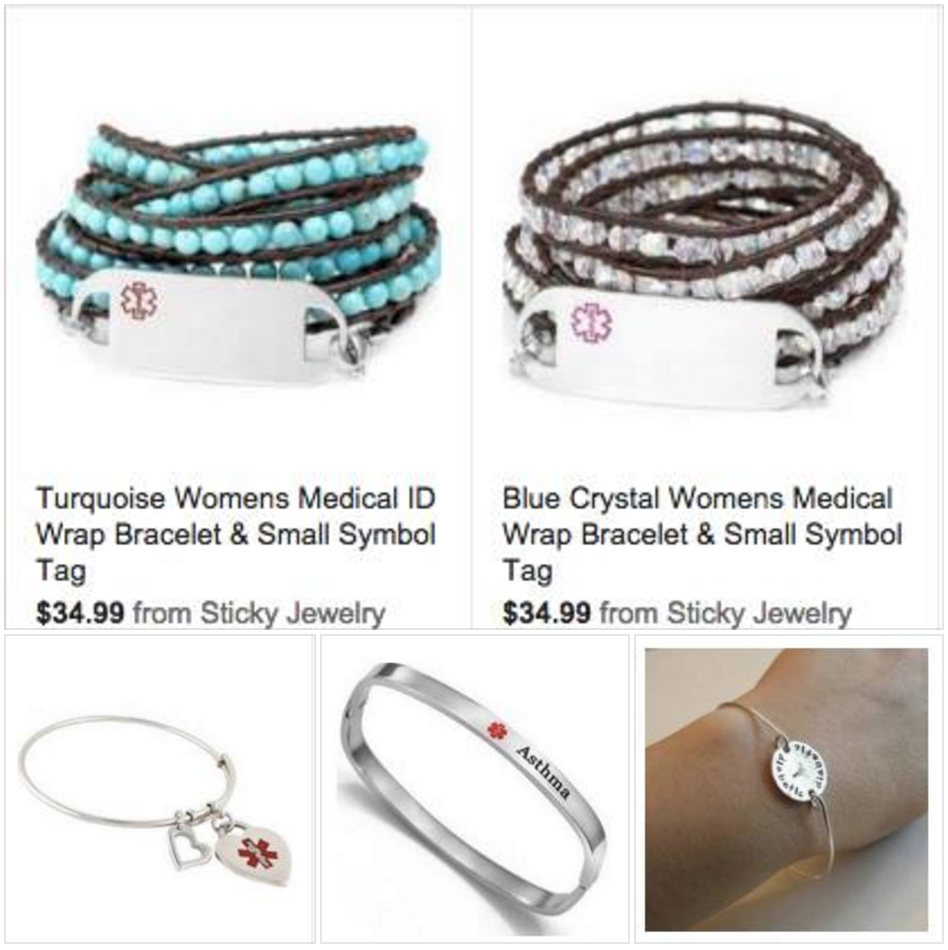
I have seen alot of people recently asking for advice as to what to put on their Medic Alert Bracelets, What Kind to buy, etc.
The most common things I see are that bracelets are being bought that look like “normal jewelry” because they don’t want it to stick out.
The other thing is that they are putting the IMPORTANT information on the BACK of the bracelet
Guys I have been in EMS 16 years, and recently Diagnosed SAI this past april. so I have a few things to say on this subject. You can take it for what it’s worth, but please understand this is coming from someone who lives in the heat of the moment taking care of people like us when that moment counts.. When we find an unconscious patient we have several things that we are attempting to do to save that patient, granted looking for a medic alert tag is important, but it is not more important that keeping a compromised airway open, checking vitals, getting an IV, asking family for a history, etc. Looking for a medic alert is usually done en route to the hospital if it is not blatantly obvious upon arrival.
#1 Anything that looks pictures I have posted below, I can 100% promise you, will be looked over in the heat of the moment if you are unconscious. Your family will more than likely be on edge and forget to tell us, or you will be by yourself and no one will know to tell us to look. It looks like standard jewelry.. so I’m not going to look at it.. therefore missing your life threatening emergency.. and if I am one of MILLIONS of first responders that are unfamiliar with Adrenal Insufficiency, I will NOT recognize the signs and symptoms, and you will NOT get the care you need pre-hospital.. leaving your body without the necessary cortisol for that much longer.
#2- If you place your Pertinent information on the back of your bracelet, PLEASE make sure that the medic alert symbol is on the front of the bracelet, BIG AND RED… don’t make it small and pink, or the same color as the bracelet.. yet again. we will overlook it in the moment..
#3- Necklaces are a bad idea.. They almost always get tucked into a shirt, and we almost NEVER see them. they are easily moved.
#4- Your medic alert tag should have your name. What you Suffer From, That you are Steroid Dependant. Where your Injection Kit is location (if applicable), Instructions to give the meds or you will die.. (This alerts bystanders to give you the injection as well.. I can say this because I had a bystander do it based solely on my Medic Alert tag.. she found it, drew it up, and gave it to me), and an emergency contact who can give responders information they need. If you have more than one Critical condition. List the most life threatening in order.
Please Please Please don’t take this post the wrong way. I am saying all of this coming from someone who lives in these moments every day. I know how many first responders are not familiar with the disease that can so easily kill us, and if you are willing to risk your life for the sake of a “pretty” bracelet, then I can’t stop you.. nor can anyone here.. Just know that it is a HUGE risk…
Until I saw it on Facebook, I didn’t know that today was World Cancer Day. Over the years, our family has dealt with several types of cancer and I have friends that have had cancers of their own. I think that most every family has been touched by cancer in some way.
In my family:
Colon cancer
My dad had it twice and died after his second surgery
My aunt had it twice and died after her second surgery. She was lucky – she never had any symptoms except looking like she was pregnant.
My mom had it twice and she’s still alive at 93. Hooray! It can be beat with the right attitude.
According to my “risk factors”, I “should” have had colon cancer because both parents and an aunt had it twice each. Of course, there’s no guarantee that I won’t get that, too.
And the risk factors for kidney cancer aka renal cell carcinoma? The majority of kidney cancers are renal cell carcinomas.
Risk factors for renal cell carcinoma include:
Age. Your risk of renal cell carcinoma increases as you age. Renal cell carcinoma occurs most commonly in people 60 and older.
I was younger than this.
Sex. Men are more likely to develop renal cell carcinoma than women are.
I am female
Smoking. Smokers have a greater risk of renal cell carcinoma than nonsmokers do. The risk increases the longer you smoke and decreases after you quit.
Not me!
Obesity. People who are obese have a higher risk of renal cell carcinoma than do people who are considered average weight.
A Cushing’s gift
High blood pressure (hypertension). High blood pressure increases your risk of renal cell carcinoma, but it isn’t clear why. Some research in animals has linked high blood pressure medications to an increased risk of kidney cancer, but studies in people have had conflicting results.
Never had this until the kidney cancer. It went away immediately post-op.
Chemicals in your workplace. Workers who are exposed to certain chemicals on the job may have a higher risk of renal cell carcinoma. People who work with chemicals such as asbestos, cadmium and trichloroethylene may have an increased risk of kidney cancer.
What? Me work?.
Treatment for kidney failure. People who receive long-term dialysis to treat chronic kidney failure have a greater risk of developing kidney cancer. People who have a kidney transplant and receive immunosuppressant drugs also are more likely to develop kidney cancer.
Nope. Some sites also list polycystic kidney disease. I don’t have that but half my husband’s family does. Hmmm – wonder if that’s contagious
Von Hippel-Lindau disease. People with this inherited disorder are likely to develop several kinds of tumors, including, in some cases, renal cell carcinoma.
I’ve wondered about this but, you know, it’s too “rare”.
Hereditary papillary renal cell carcinoma. Having this inherited condition makes it more likely you’ll develop one or more renal cell carcinomas.
Not that I know of.
Pretty close to zero on the risk factors. No signs, no symptoms. I was diagnosed in the ER of my local hospital in 2006.
Skin Cancer
My husband has had a variety of melanomas and other skin cancers removed
Breast Cancer
Sister-in-Law
Among my friends, there have been many cancers – breast cancers, lung cancers (including people who have never smoked), multiple myelomas, neuroendocrine cancers (this one is supposed to be really rare. I have 3 friends with this.), probably some I don’t know about yet – and maybe it is unknown to the person.
Some ideas how to protect yourself and others from cancer. It could save your life!
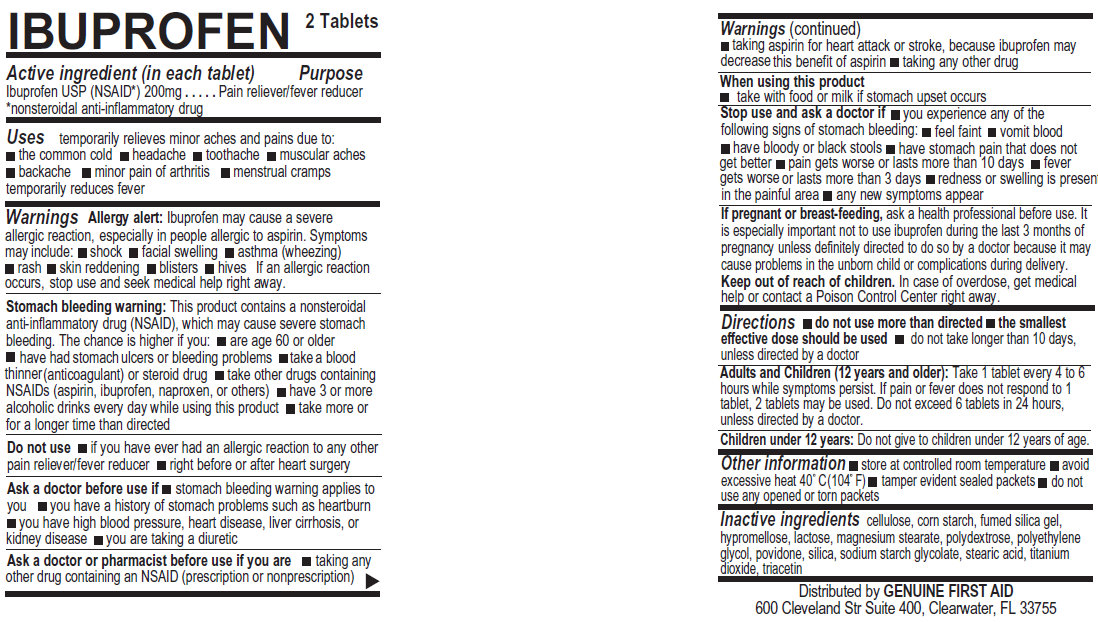
Some people, such as me!, can’t take Ibuprofen or NSAIDs. This might be a good solution…
Ibuprofen is used by many people to relieve pain, lessen swelling and to reduce fever. Though there are many worrying side effects linked to overuse of the drug, a new ibuprofen patch has been developed that can deliver the drug at a consistent dose rate without the side effects linked to the oral form.
The patch was developed by researchers at the University of Warwick in the UK, led by research chemist Prof. David Haddleton.
The Food and Drug Administration (FDA) have recently strengthened the warning labels that accompany nonsteroidal anti-inflammatory drugs (NSAIDs) like ibuprofen.
New labels warn that such drugs increase the risk of heart attack or stroke, and these events happen without warning, potentially causing death. Furthermore, such risks are higher for people who take NSAIDs for a long time.
Ibuprofen can also cause ulcers, bleeding or holes in the stomach or intestine.
With these risks in mind, finding an alternative way to relieve pain without the risks is a worthwhile endeavor. Though there are commercial patches on the market designed to soothe pain, this is the first patch that delivers ibuprofen through the skin.
“Many commercial patches surprisingly don’t contain any pain relief agents at all,” says Prof. Haddleton, “they simply soothe the body by a warming effect.”
Patch drug load 5-10 times that of current patches
Working with a Warwick spinout company called Medherant, the researchers were able to put significant amounts of ibuprofen into a polymer matrix that adheres the patch to the patient’s skin, enabling the drug to be delivered at a steady rate over a 12-hour period.
The researchers say their patch paves the way for other novel long-acting pain relief products that can be used to treat common conditions – such as back pain, neuralgia and arthritis – without taking potentially damaging oral doses of the drug.
Prof. Haddleton explains that, for the first time, they can “produce patches that contain effective doses of active ingredients such as ibuprofen for which no patches currently exist.”
He adds that they are able to “improve the drug loading and stickiness of patches containing other active ingredients to improve patient comfort and outcome.”
The team notes that the drug load made possible by their new technology is 5-10 times that of current medical patches and gels. Furthermore, because the patch adheres well to skin, it stays put even when the drug load reaches levels as high as 30% of the weight or volume of the patch.
Other potential uses for the patch
There are currently a number of ibuprofen gels available, but the researchers say it is difficult to control dosage with these gels, and they are not convenient to apply.
“There are only a limited number of existing polymers that have the right characteristics to be used for this type of transdermal patches – that will stick to the skin and not leave residues when being easily removed,” says Prof. Haddleton, who adds:
“Our success in developing this breakthrough patch design isn’t limited to ibuprofen; we have also had great results testing the patch with methyl salicylate (used in liniments, gels and some leading commercial patches).
We believe that many other over-the-counter and prescription drugs can exploit our technology, and we are seeking opportunities to test a much wider range of drugs and treatments within our patch.”
Medherant CEO Nigel Davis says they anticipate their new patch will be on the market in around 2 years. He adds that they “can see considerable opportunities in working with pharmaceutical companies to develop innovative products using our next-generation transdermal drug-delivery platform.”
Despite the risks associated with long-term use of NSAIDs, Medical News Today recently reported on a study that suggested use of the drugs could reduce risk of colorectal cancer.
Menopause got you dragging? Here are a few simple ways to fight menopause energy drain and regain your oomph.
If you’re like many women, you’ll probably experience bothersome symptoms during menopause — one of which may be fatigue. Fatigue is a common menopause complaint, especially in the early stages of menopause, as your body adjusts to its new chemistry.
But low energy can be also caused by number of other medical conditions, including anemia, coronary artery disease, diabetes, heart failure, hypothyroidism, hyperthyroidism, and kidney or liver disease. If you are fatigued, “you should talk to your doctor just to be sure it’s a menopause symptom,” says Wendy Klein, MD, associate professor emeritus of internal medicine, obstetrics, and gynecology and chair of the Women’s Health Conference at the Virgina Commonwealth University School of Medicine.
“Most women don’t need treatment for their menopause symptoms,” Klein says. “The majority of women will have symptoms that are transient. They last two or three years and abate by themselves.” But there are lifestyle changes you can make to help relieve symptoms you may experience.
If you’re dealing with fatigue as you go through menopause, try these eight simple tricks to boost low energy:
1. Exercise daily. You should aim for at least 30 — and preferably 60 — minutes of exercise most days of the week. Exercising may be the last thing you want to do when you’re feeling weak or tired, but exercise actually boosts your energy, says Staness Jonekos, who co-authored The Menopause Makeover with Dr. Klein. “Exercise is your fountain of youth,” Jonekos says. “It produces those feel-good hormones and gives you the energy you’re looking for when you’re not feeling good.” Some people find it helps to exercise earlier in the day rather than close to bedtime.
2. Cap caffeine and alcohol consumption. Caffeine and alcohol can both affect energy levels and interfere with getting a good night’s sleep if you indulge in the evening. They may give you an immediate rush, but when they wear off, they can leave you feeling more drained than before. Nicotine can also have this effect, so if you smoke, quit. You’ll find you have more energy without artificial stimulants.
3. Limit food portions. Being overweight during menopause can cause you to feel sluggish. The best diet is one that is rich in fruits, vegetables, and whole grains and that includes lean sources of protein (poultry, lean meats, and fish) and low- or no-fat dairy products. Limit the amount of fats and sweets you eat. Eating smaller meals more frequently can provide energy throughout the day, Jonekos says. But if you eat more often, be sure you’re not overeating — watch your total calories.
4. Embrace relaxation. How do you unwind? Whether you like to read, take long walks, or meditate, take the time to indulge in your favorite activities. “You’re entitled to pamper yourself and take time for yourself,” Jonekos says. “As a result, you will be more energetic.” Stress and anxiety could be causing your fatigue, and relaxation techniques can be very helpful in learning to overcome them. A study published in Menopause: The Journal of the North American Menopause Society shows that stress-reduction therapy may also help with menopause symptoms, decreasing the degree to which women were bothered by hot flashes by 22 percent.
5. Get your Zzz’s. Another menopause symptom is hot flashes or night sweats, which can keep you up at night. Restful sleep is important during menopause so you’re not overly tired during the day. This may require keeping your bedroom cooler than you usually do. Use a ceiling fan and wear lighter bed clothes. Make sure the room is dark and set your body clock by going to bed and waking up around the same time every day — even on weekends.
6. Stay hydrated. “You need to nourish your body with healthy food and water,” Jonekos says. Thirst is your body’s way of telling you that you need more fluid. When you’re dehydrated, your body has to work harder to perform, which can lead to fatigue. Dehydration also can cause nausea and difficulty concentrating. Keep a water bottle handy so you can drink when you’re thirsty. Choose water or caffeine-free tea or coffee — not calorie-laden drinks, as weight gain can make you sluggish.
7. Don’t overbook. You may be fatigued because you’re trying to do too much. Learn to say no. Know your limits and what you can and can’t accomplish in a day. Also, if you set reasonable limits, you’ll be less stressed, Jonekos says.
8. Try herbal remedies. Two herbal remedies that may help reduce menopause symptoms that can cause fatigue and anxiety are black cohosh and valerian. Talk to your doctor before taking herbs as teas or supplements as they can interfere with some medications.
“No one recipe fits everyone,” Jonekos says. “But if you’re suffering from fatigue during menopause, you need to take control, and you can do that by adopting a healthy lifestyle.” Eat right, exercise, get adequate sleep, and learn to relax — you will find you have more energy to enjoy your life.
 It’s American Heart Month and you should celebrate by feeding your body the right foods.A healthy heart starts with the right diet.This list of foods provides the right balance of fats, amino acids, vitamins and more to keep your heart pumping strong your entire life.To help you get started on the journey, here are eight superfoods to add to your grocery list…


 Healthy Hearts