Bee’s Knees 3

This is a continuation of an ongoing knee issue.  It started with Bee’s Knees and went on to Bee’s Knees Continued.  I’m hoping to end my knee pain in the very near future.

A quick kneecap recap:

From https://maryomedical.com/2013/02/18/icy-days-and-mondays/ January 28, 2013:

 I checked the weather and found that school was starting late because of icy conditions.  I put on boots and took the dog out.  It seemed to be raining – if it’s raining, it must be warm, right?  So I didn’t really pay attention (and I had other things on my mind!) and completely missed seeing the black ice.  Next thing I knew, I had fallen on one knee, my cellphone in my pocket bruised my other thigh and my left arm hurt where I’d reached out to catch myself.

From https://maryomedical.com/2016/02/28/bees-knees/

January 2016.

I fell in the bathroom in the middle of the night and hit my left knee on the tub. I used a brace for a few days and it seemed better.

Around January 27-28, 2016, I was in Walmart and had to get a produce bag that was way over my head.  I had to stand on tiptoe…and my knee felt like something ripped.  Thankfully, I had a cart available to use as a temporary crutch.

Got home, used the brace, took Tylenol but the pain got worse.

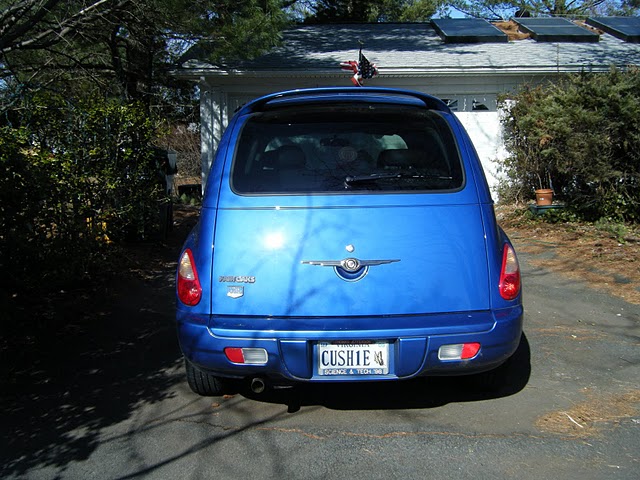
Thursday, I drove home from choir at church.  My car is a manual so the act of using the clutch, extending my foot that way, made everything worse again.

Friday, we went to the Limp-In Clinic in Greenbriar.   That doctor was going to prescribe Cortef or NSAIDs but I couldn’t take either due to my history of Cushing’s (Cortef) and kidney cancer (NSAIDs).  He prescribed Vicodin and sent me for an x-ray.

January 31, 2016, I got very itchy, presumably from Vicodin so I stopped that and started taking Benadryl for the itchiness.

February 2, 2016, I went back to the clinic for the results of x-rays and  I mentioned the itchiness.  Since I have very limited meds available to me, he recommended an Orthopedist.  I called him when I got home and he didn’t take my insurance.  I tried another doctor who supposedly took my insurance but they didn’t.

February 7, 2016, I really needed the sleep so I took half a Vicodin.  No pain and no itching.  HOORAY!

February 8, 2016, I saw my regular doctor.   She thinks it’s a possible “lateral collateral ligament vs meniscus tear”.

I was surprised that she thought my knee was swollen but one of my therapists showed me later that it was.

She referred me to Physical Therapy (PT) and prescribed Ultram. As of this writing, I haven’t used that yet.

February 11, 2016, 8:30 am  My first appointment with PT.  Since my blood pressure was high, we mostly did assessments.  I had a main therapist and a student. They had to use 3 types of BP machine to do this.

I bent my knee and they took measurements with a caliper.  I lay on my front and they manipulated my knee to see what happened. They also concluded that it was a lateral collateral ligament.

A suggestion – to rest my foot on the walker without the brace and see if gravity helps my knee straighten out.

After this, there was more pain than before but I know this is the right thing to do.

February 13, 2016.  My leg feels a bit better.  I had the brace off last night and almost straightened my knee out.

Somewhere in this period, I learned how to manually move my kneecap (patella) around.  I saw my day 1 therapist again and he said my knee was angry.  Swollen, angry, whatever.  I just want a normal non-hurting knee!

One of the therapists had me doing a stretching exercise and my hip was out of kilter (everything is attached!) since I’ve been walking with my knee bent.  So she manipulated that back into alignment.

February 22, 2016, A new-to-me therapist had me do an exercise with a basketball under my knee, pointing my toe to the left.  I didn’t remember doing that before but she said I had.  Hmmm…

That hurt too much so we moved to a foam roll under my knee.  It was still uncomfortable but I did it, a bit too much, apparently.

Turns out this exercise hurt my “VMO”, which is short for Vastus Medialis Oblique.

“This is the most important quad muscle and arguably the most responsible muscle for knee stability. The VMO’s main function is to control knee extension…” 

February 25, 2016,  My VMO pain still hurt.  I told my regular therapist about it and she worked on it some.  She concurred that my knee was swollen.

February 26, 2016,  I went all day with no brace at all!!  A bit of pain but manageable.

February 28, 2016, and I haven’t worn the brace since the 27th. I still need assistance to get up from sitting but I can see huge improvement.

I still have 6 more PT sessions, finishing on March 16, but I’m really impressed with what they’ve done for me.  I still have twinges of pain and I don’t plan on stepping on tiptoe anytime soon but I can tell I’m on the right track.

March 8, 2016 at 9:48 am

Physical Therapy is sapping what little energy I had 

 I can tell it’s working but I am even more exhausted all the time. I’m taking extra Cortef but it’s not enough…

From https://maryomedical.com/2016/05/05/bees-knees-continued/ May 5, 2016

My left knee is still bothering me, even after doing Physical Therapy since January. <sigh>

It seems to get better, then something happens and it’s back to pain again.  When we were on a trip to New York a month ago, we walked a lot and climbed so many stairs, I had to buy a new brace.

Today is supposed to be my final PT but I don’t think I’m ready.

When this clinical trial came to my email, I just went through the whole survey for this but there was no doctor nearby:

Osteoarthritis Research Studies. Knee and hip arthritis studies enrolling now. No-cost medication. http://curec.lk/1VL5hu9


Fast forward to September 5, 2018

My knee has been bothering me off and on for a while.  I’ve been taking water aerobics and was careful not to do anything that would hurt my knee.  The hot tub afterward was a great place to aim hot water jets at my knee – that would numb any pain for a while.

I realized that the neoprene braces were making me itch so I actually found one with no neoprene – Hooray! “All BioSkin material is hypoallergenic. Latex free and Neoprene free.”  Hooray again!

This last week or so, the pain has been getting worse again so I decided to try a new doctor.  This one seems like maybe – just maybe – he’ll fix things.

He said: “Your previous knee injuries made sense for pain but this spontaneous onset of medial knee pain is a bit strange.  I can only do a limited examination due to the pain and difficulty bending, but it seems to be over the distal insertion of the VMO (quadriceps muscle) with possible inclusion of some joint line tenderness on that same side.

I’d like for you to use ice packs in your knee brace at least three times a day with the goal of calming down the inflammation.

My goal with getting you to sports medicine next week is to re-evaluate it, hopefully with better ability to examine and flex. It may need ultrasound evaluation and/or steroid injection. Since you cannot take NSAIDS, I suggest trying the Ultram that your previous doctor gave you so you can sleep.”

So, next Wednesday, I have an appointment with sports medicine – I might be moving forward. Or not.


 

New treatment lowers risk for death from aggressive prostate cancer by over 70 percent

Some of the 165,000 U.S. men who are estimated to receive a new diagnosis of prostate cancer this year will develop resistance to hormonal therapies for the disease, but a new study by a doctor now at Northwestern Memorial Hospital points to use of an existing drug to help treat them.This kind of aggressive cancer has challenged doctors, as effective treatment to improve outcomes for these men hadn’t existed previously.

But a clinical trial led by Dr. Maha Hussain, now an oncologist at Northwestern Memorial, showed that taking a drug, enzalutamide, resulted in a 71 percent lower risk of cancer spread or death, compared to those taking a placebo during the three-year trial. The patients involved all had prostate cancer that hadn’t spread but that also had not responded to hormone treatment.

Men taking the drug also had delayed cancer reappearance for almost two years.

Read the entire article at New treatment lowers risk for death from aggressive prostate cancer by over 70 percent, study finds – Chicago Tribune

Video: PSA Screening for Prostate Cancer

This animated video summarizes the US Preventive Services Task Force’s 2018 recommendation statement on PSA-based screening for prostate cancer.

Read the article at: https://ja.ma/2I7MXHA.


Unlucky Women! Belly fat tied to lower kidney cancer survival odds in women

Thanks to Cushing’s, I have (and had!) a lot of this.

Belly fat reduces a woman’s chances for surviving kidney cancer, but not a man’s, a new study suggests.

The study included 77 women and 145 men with kidney cancer. Half of the women with high amounts of belly fat died within 3.5 years of diagnosis. Meanwhile, more than half of women with low amounts of belly fat were still alive after 10 years.

Researchers at Washington University School of Medicine in St. Louis found no link between belly fat and men’s kidney cancer survival.

The findings suggest kidney cancer develops and progresses differently in men and women, the study authors said.

“We’re just beginning to study sex as an important variable in cancer,” study senior author Dr. Joseph Ippolito said in a university news release. Ippolito is an instructor in radiology.

“Men and women have very different metabolisms. A tumor growing in a man’s body is in a different environment than one growing inside a woman, so it’s not surprising that the cancers behave differently between the sexes,” he explained.

Excess weight is a major risk factor for kidney cancer, but does not necessarily affect a patient’s chance of survival. This study suggests, however, that the distribution of body fat affects women’s survival odds. But it does not prove a cause-and-effect relationship.

“We know there are differences in healthy male versus healthy female metabolism,” Ippolito said. “Not only in regard to how the fat is carried, but how their cells use glucose, fatty acids and other nutrients. So the fact that visceral [belly] fat matters for women but not men suggests that something else is going on besides just excess weight.”

This line of research could lead to better ways to treat women with kidney cancer, Ippolito added.

The report was published online recently in the journal Radiology.

More information

The U.S. National Cancer Institute has more on kidney cancer.

From https://www.upi.com/Belly-fat-tied-to-lower-kidney-cancer-survival-odds-in-women/2511523328151/

New Clinical Trials for Kidney Cancer

Two new clinical trials for kidney cancer are available at Lehigh Valley Health Network through its partnership with Memorial Sloan Kettering Cancer Center, giving patients options for experimental treatment and participation in research that advances kidney cancer treatment.

The immunotherapy trials test combinations of drugs that cut off blood supply to tumor cells and help the immune system find and fight cancer cells.

A decade ago, late-stage kidney cancer patients had a small chance of living past a year after diagnosis, said Dr. Suresh Nair, medical director of LVHN Cancer Institute.

“The amount of progress that’s happened in the year is staggering,” he said. “Kidney cancer has probably progressed the most among all the cancer areas in the past year.”

On Thursday, about 30 patients made it to their second annual celebration of advancements in kidney cancer treatment. The event, which was sponsored by the Andy Derr Foundation for Kidney Cancer Research and hosted by LVHN and Memorial Sloan Kettering at Lehigh Country Club, also featured a talk by leading kidney cancer doctor and researcher Dr. Robert Motzer, an oncologist at Memorial Sloan Kettering.

Kidney cancer research had a major breakthrough in 2006, when a Pfizer drug sunitinib won approval from the Food and Drug Administration, Motzer said. The drug cut off blood flow to tumors and prolonged life for late-stage kidney cancer patients.

Since then, survival rates continue to climb due to new generations of sunitinib, including one used by LVHN doctors called cabozantinib, and advancements in immunotherapy, which boosts the immune system to fight cancer.

But there’s a lot more progress to be made.

“That’s why efforts like your own are so important,” Motzer said at LVHN’s event. “That’s what gets the work done.”

Every year, more than 37,000 men and 21,000 women get kidney and renal pelvis cancers, according to the U.S. Centers for Disease Control and Prevention, and more than 13,000 die.

LVHN offers six clinical trials for kidney cancers, including the two newest.

New treatments give patients such as Lackawanna County resident Arlene Townsend a second chance at life. She’s participating in an LVHN immunotherapy trial launched last year.

Before her diagnosis, Townsend, 38, was easily irritated and didn’t have any passion for her job or life.

“It use to be get up, go to work, come home, make dinner,” she said. “It was kind of just going through the motions.”

She had to develop a positive attitude to cope with the physical and emotional toll of her late-stage kidney cancer, which had spread to her bones, lung and the lymph nodes around the heart in 2016, she said. Since her diagnosis, she found a passion for refurbishing furniture, let go of her cynicism and found happiness in life’s small moments.

“If I’m driving — it sounds silly — I notice the clouds,” she said.

“You don’t realize how many great things you have in your life until you think you’re not going to have them anymore.”

The change was so apparent that her husband noticed.

“He thinks I’m much happier,” she said.


CLINICAL TRIALS

Lehigh Valley Health Network and Memorial Sloan Kettering have partnered to bring new cancer treatments to the Lehigh Valley.

What is a clinical trial: A study involving patients who volunteer to receive new medications or treatments under evaluation.

Who may participate: Criteria are unique to each trial but often are based on age, gender, health and medical history. They are designed for participants most like those who will eventually receive the new drugs.

Source: Lehigh Valley Health Network

More information: At lvhn.org, search “clinical trials.”

From http://www.mcall.com/business/healthcare/mc-nws-biz-clinical-trials-kidney-cancer-20180406-story.html

Doctor Offers Cutting-Edge Treatment

EUGENE, Ore. — The Willamette Valley Cancer Institute and Research Center offers a cutting-edge treatment to help patients with prostate cancer improve their quality of life.

When William Marshall was first diagnosed with prostate cancer in 2016 he said he was concerned about how traditional treatments could impact his life. He said he went to a support group and saw people wearing diapers and colonoscopy bags and worried he wouldn’t be able to do many of the things he enjoys like hiking, hunting, and fishing.

Then he saw a commercial about a new treatment the Cancer Center was offering.

The treatment is called SpaceOAR which is essentially a gel that is put between the prostate and rectum that separates the organs. Its designed for patients who use radiation to treat their prostate cancer. By separating the organs, the gel helps reduce the amount of radiation to organs surrounding the prostate. The gel is temporary and will only stay in the body for about three months before it dissolves.

Dr. Thomas Sroka, a radiation oncologist with the Cancer Center, said inserting the gel is a minimally invasive procedure that can reduce long-term side effects like chronic pain, irritation, diarrhea, and bleeding.

“Radiation treatments are already effective at curing prostate cancer, but this is really something now that is focused on just improving the patients quality of life during treatment and after treatment,” Sroka said.

Sroka said patients getting the treatment done are often able to avoid the negative side effects.

Marshall said the treatment changed his life and helped him manage his cancer.

“I’ve been able to do exactly what I have my whole life without any second thoughts about that cancer that I have that I now believe is gone,” Marshall said.

Marshall said now he wants to make sure other people dealing with similar circumstances know the treatment is an option.

Currently, Sroka is the only doctor in Oregon who can perform the procedure. However, he said Medicare has now recognized the treatment and he expects more doctors to become certified.

From http://www.kezi.com/content/news/Willamette-Valley-Cancer-Institute-and-Research-center-offers-innovative-treatment-for-prostate-cancer-patients-478918853.html

Issues of Aging

Once again, I’ve changed the focus of this blog.  This time to the issues and problems that come with aging.

In January 2018, I managed to do something painful to my thumb.  I finally couldn’t take it anymore and went to the ER on February 1.  They did x-rays and sent me away with a spica splint (I thought they were calling it a thumb spike), a diagnosis of deteriorating thumb joint plus tendonitis, and a referral to an orthopedic doctor.

Here it is the end of March and I still haven’t been able to get to that new doctor.  Maybe soon?


February 6, 2018 we were still living at the Residence Inn due to water damage at our home on November 6, 2017 (more on that in another blog, someday).  My mom and I were coming back from WalMart and she fell in the parking lot.  Luckily, DH was still in our apartment and he came right down.  He couldn’t get her to stand up, so I drove the car over to her.  Although she didn’t want to go, we took her to the emergency room.

They did lots of scans there.  The first determined that she’d broken her pelvis in 2 places.  Thankfully, they don’t do surgery for a broken pelvis.  They thought that they would send her to Mount Vernon Hospital for intensive rehab.

Her white blood count was high, so they assumed infection and started 2 IV meds for that.  Her blood pressure dropped very low several times, causing her to pass out.

A chest x-ray was clear, so no infection there.  Because of the passing out episodes, they sent her for a head scan in case there had been a stroke.  Nope.

About 1 am on the 7th, a hospitalist came in to admit her.  He asked if she had abdominal pain and she said yes.  So, he started palpating various areas and found a tender spot.  He called for an abdominal scan, which showed internal bleeding.  So, the WBC wasn’t from infection but massive blood loss.

They called an ambulance and sent her to Fairfax Hospital for emergency surgery to stop the bleeding.

At Fairfax, they did a new scan with contrast – missed that she was allergic to that – and found that the bleeding was stopping all by itself.  Then, they gave her Benadryl.

She stayed there for 3 nights because Medicare required 3 midnights before going to rehab.  <Sheesh!>

From there, she went to Manor Care for rehab.  She no longer qualified for Mount Vernon.

She was doing really well…until she started having internal bleeding.  Back to Fair Oaks.  Same room.  AARRGGHH!  She was admitted for a few days to stop the bleeding and turned out to have an ulcer.  Then, edema.

Finally, she came home and is doing really well with a walker.  The pelvis is supposed to heal itself in a couple months.


Mild Cortisol Increases Affect Cardiovascular Changes Linked to Heart Disease in Cushing’s

Increases in cortisol secretion, even if mild, induce early heart and blood vessel changes that may increase the risk for cardiovascular disease, according to Italian researchers.

The findings continue to support the role of the hormone cortisol in heart disease, and demonstrate the need for carefully monitoring cardiovascular risk in patients with high levels of the hormone, including those with Cushing’s disease.

The study, “Cardiovascular features of possible autonomous cortisol secretion in patients with adrenal incidentalomas,” was published in the European Journal of Endocrinology.

While most patients with adrenal incidentalomas don’t have symptoms, nearly half have excess cortisol production. Adrenal incidentalomas are masses in the adrenal glands discovered only when a patient undergoes imaging tests for another unrelated condition.

These asymptomatic, mild cortisol-producing cases are defined as possible autonomous cortisol secretion (pACS), according to the European Society of Endocrinology Guidelines.

Excess production of the hormone, seen in Cushing’s disease patients, is associated with increased mortality, mainly due to heart diseases. Patients with asymptomatic adrenal adenomas and mild cortisol secretion also have more cardiovascular events and generally die sooner than those with normal cortisol levels.

But little is known about the causes behind cardiac and vessel damage in these patients.

To shed light on this matter, a research team at Sapienza University of Rome evaluated the cardiovascular status of patients with pACS. This allowed them to study the impact of cortisol in the heart and blood vessels without the interference of other hormone and metabolic imbalances seen in Cushing’s disease.

The ERGO trial (NCT02611258) included 71 patients. All had been diagnosed with adrenal incidentalomas, 34 of which were pACS with mildly increased levels of the hormone and 37 were defined as nonfunctioning adenoma (NFA) — adrenal masses with normal hormone levels.

The two groups were very similar, with no significant differences in metabolic and cardiovascular risk factors. Adrenal lesions in the pACS group, however, were significantly bigger, which was linked to cortisol levels.

Looking at the heart morphology, researchers found that pACS patients had a significantly higher left ventricular mass index (LVMI), which is a well-established predictive measure of adverse cardiovascular events.

Further analysis revealed that LVMI scores were associated with levels of the hormone, suggesting it has an “independent effect of cortisol on cardiac function,” the researchers wrote.

Slightly more than half of pACS patients (53%) also had a thicker left ventricle, a feature that was seen only in 13.5% of NFA patients. The performance of the left ventricle during diastole (muscle relaxation) was also affected in 82.3% of pACS patients, compared to 35.1% in those with NFA.

Patients with pACS also had less flexible arteries, which may contribute to the development of vascular diseases.

The results show that “mild autonomous cortisol secretion can sustain early cardiac and vascular remodeling” in patients who appear apparently healthy, the researchers said.

“The morphological and functional cardiovascular changes observed in pACS underline the need for further studies to correctly define the long-term management of this relatively common condition,” they added.

From https://cushingsdiseasenews.com/2018/03/13/cushings-disease-increased-cortisol-affects-cardiovascular-changes-heart-disease/

World Kidney Day


Chronic kidney disease affects more women than men, but most people with this condition don’t know they have it. This World Kidney Day, the National Institute of Diabetes and Digestive and Kidney Diseases (NIDDK), part of the National Institutes of Health, joins organizations around the world in urging women to take action to prevent kidney disease — for themselves and their loved ones.

Healthy lifestyle changes can help prevent and manage kidney disease and its main causes — diabetes and high blood pressure. One in seven Americans has chronic kidney disease, or CKD, a condition that can lead to kidney failure and means your kidneys are damaged and can’t filter blood the way they should. CKD affects 16 percent of women and 13 percent of men. Approximately 700,000 people in the United States have kidney failure treated with dialysis or a kidney transplant.

Given the impact of kidney disease on women, the NIDDK encourages all women to learn about risk factors and talk with health care professionals. Taking action now can help protect your kidneys. Here are ways to reduce your risk:

  • Choose healthier foods, such as fresh fruits, fresh or frozen vegetables, whole grains, and low-fat or fat-free dairy products.
  • Be physically active for 30 minutes or more on most days.
  • Reduce screen time, and aim for 7 to 8 hours of sleep each night.
  • Join family, friends, or coworkers in encouraging each other to stick to a healthy routine.
  • Use the NIH Body Weight Planner to help achieve and stay at a healthy weight.

NIDDK-funded research continues to examine how lifestyle changes affect kidney disease, diabetes, and more. The Chronic Renal Insufficiency Cohort(link is external) is an ongoing observational study looking at a wide spectrum of kidney disease topics, such as the risk factors for loss of kidney function and the link between kidney and heart disease. The Sit Less, Interact, Move More Intervention for Sedentary Behavior in Chronic Kidney Disease clinical trial is recruiting participants with CKD to find out whether decreasing time spent sitting and increasing walking time will result in less belly fat and improved physical function and quality of life.

The NIDDK conducts and supports research on diabetes and other endocrine and metabolic diseases; digestive diseases, nutrition, and obesity; and kidney, urologic, and hematologic diseases. Spanning the full spectrum of medicine and afflicting people of all ages and ethnic groups, these diseases encompass some of the most common, severe, and disabling conditions affecting Americans. For more information about the NIDDK and its programs, visit www.niddk.nih.gov.

About the National Institutes of Health (NIH): NIH, the nation’s medical research agency, includes 27 Institutes and Centers and is a component of the U.S. Department of Health and Human Services. NIH is the primary federal agency conducting and supporting basic, clinical, and translational medical research, and is investigating the causes, treatments, and cures for both common and rare diseases. For more information about NIH and its programs, visit www.nih.gov.

From https://www.nih.gov/news-events/news-releases/world-kidney-day-shine-spotlight-womens-health

March is Kidney Cancer Awareness Month


Kidney Cancer awareness is very important to me, because I learned I had it in 2006.

I’m pretty sure I had it before 2006 but in that year I picked up my husband for a biopsy and took him to an outpatient surgical center. While I was there waiting for the biopsy to be completed, I started noticing blood in my urine and major abdominal cramps. I left messages for several of my doctors on what I should do. I finally decided to see my PCP after I got my husband home.


When Tom was done with his testing, his doctor took one look at me and asked if I wanted an ambulance. I said no, that I thought I could make it to the emergency room ok – Tom couldn’t drive because of the anesthetic they had given him. I barely made it to the ER and left the car with Tom to park. Tom’s doctor followed us to the ER and became my new doctor.


When I was diagnosed in the ER with kidney cancer, Tom’s doctor said that he could do the surgery but that he would recommend someone even more experienced, Dr. Amir Al-Juburi.


Dr. Amir Al-Juburi has been so kind to me, almost like a kindly grandfather might be, and he got rid of all 10 pounds of my cancer in addition to my kidney.


More than 12,000 people in the UK are diagnosed with kidney cancer each year, according to 2014 statistics.

And although 42% of cases are deemed “preventable”, only 50% of patients survive kidney disease for 10 or more years.  I will celebrate 12 years next month, on May 9!

It’s the seventh most common cancer in the UK and is much more prevalent in males.

But do you know the warning signs of the potentially deadly disease?

Here we reveal the 12 main symptoms of kidney cancer:

1. Blood in your pee  Not until the day I was diagnosed.

You may notice your pee is darker than normal or reddish in color. This could also be a sign of chronic kidney disease and bladder cancer.

2. A persistent pain in your lower back or side, just below your ribs No

3. A lump or swelling in your side (although kidney cancer is often too small to feel) No

4. Extreme tiredness (fatigue) Possibly, although I assumed it was from Cushing’s

5. Loss of appetite and weight loss No

6. Persistent high blood pressure Yes

7. A high temperature of 38C (100.4F) or above No

8. Night sweats No

9. In men, swelling of the veins in the testicles Nope

10. Swollen glands in your neck No

11. Bone pain No

12. Coughing up blood No

If you are concerned about any of these symptoms you should see you GP, they will carry out a series of tests, including urine and blood tests, in order to get an accurate diagnosis.

What are the treatment options?

The treatment will depend on the size and severity of the cancer and whether it has spread to other parts of the body.

These are the five main treatments:

1. Surgery to remove part or all of the affected kidney Yes, all plus some other stuff

This the main treatment for most people

2. Ablation therapies No

Where the cancerous cells are destroyed by freezing or heating them

3. Biological therapies No

Medications that help stop the cancer growing or spreading

4. Embolisation No

A procedure to cut off the blood supply to the cancer

5. Radiotherapy No

Where high-energy radiation is used to target cancer cells and relieve symptoms

For more information go to nhs.uk/Conditions/Cancer-of-the-kidney

Adapted from http://www.dailystar.co.uk/health/605586/Kidney-cancer-symptoms-treatment-males-females-early-warning-signs