8 Superfoods for your heart | WPRI 12 Eyewitness News

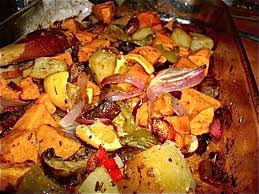
It’s American Heart Month and you should celebrate by feeding your body the right foods.A healthy heart starts with the right diet.This list of foods provides the right balance of fats, amino acids, vitamins and more to keep your heart pumping strong your entire life.To help you get started on the journey, here are eight superfoods to add to your grocery list…

Source: 8 Superfoods for your heart | WPRI 12 Eyewitness News

Valentine Heart

Happy Valentine's Day

From 2/14/2013 and still true today:

Today is Valentine’s Day, and not quite the way one would plan to celebrate but at least we no longer have a broken heart here.

This journey probably began a long time ago but the first we heard of it was our wedding anniversary, January 27, 2013.

Two and a half weeks later, the surgery is over, the wounds are healing, things are sort of normalizing.  I know that there’s a long way to go – more doctors, start rehab, relearn life.  But, at least we’re on the other side of the crisis now.

Lots to celebrate!

Women’s heart attack symptoms are confusing

gettyimages-478524468


/ Friday, November 13, 2015

DEAR DR. ROACH: My question is about symptoms for women’s heart attacks. I have always heard that symptoms for women can be much different from men’s. Instead of the chest-clutching, sharp pain that men can have, I have read that women’s symptoms can be any of these: heartburn or indigestion; pain in the jaw, neck, shoulders, back, one or both arms; fatigue and troubled sleep; dizziness and nausea; or extreme anxiety. Are you KIDDING me? I am a healthy, active 63-year-old woman. I have had all of these symptoms at one time or another. If I acted every time I had one of these symptoms, I would be at the doctor’s office every day. How is one to know which symptoms to take seriously and act on immediately, and which to wait a few days to see if it is temporary?

Thank you for addressing this confusing issue. — J.

ANSWER: I have seen many letters similar to yours. The confusing problem is that it’s true: In women, heart attack symptoms and the symptoms of angina before a heart attack can include all of those vague symptoms. The same is true of men as well, although it’s more likely for women than for men to have symptoms other than the classic left-sided chest discomfort (people are much more likely to describe angina as “discomfort” or “pressure” than “pain”).

So your question is entirely valid: How do you know when to take common symptoms seriously? The first thing I would say is that the greater your risk for heart disease, the more seriously you should take any symptom. Age, family history of heart disease, high blood pressure and cholesterol, lack of regular physical exercise and diabetes are among the most important risk factors.

The second thing I would say is to take new symptoms seriously. If you never get heartburn, for example, then heartburn at age 63 should prompt concern.

Third, context matters. Symptoms such as nausea or jaw pain that occur with exercise — even carrying a bag of groceries or walking up stairs — is definitely a reason to talk to your doctor.

Most women don’t know that heart disease remains their No. 1 killer, far outstripping breast cancer (or any cancer). Both women and men need to take even vague symptoms seriously, especially if the symptoms are new, exertional or if the person has several risk factors. As a primary-care doctor, I’d rather see my patient for her concerns that symptoms may be heart disease than see her in the ICU with a heart attack.

From http://health.heraldtribune.com/2015/11/13/womens-heart-attack-symptoms-are-confusing/


Are Exercise Recommendations Really Enough to Protect the Heart?

When it comes to preventing heart failure, even the recommended amounts may not be enough, finds a new study

Being inactive is solidly linked to heart problems like heart attack and stroke, and exercise can help lower risk factors—such as high blood pressure and narrowed blood vessels—that are connected to those heart events.

But when it comes to another type of heart condition, heart failure, the effect of physical activity isn’t as clear. If coronary heart disease can be traced to more physical issues, such as blocked arteries or excessive pressure from blood pumping around the body, heart failure is more of a body-wide problem affecting not just the heart but almost every tissue.

In heart failure, the heart gradually loses its ability to effectively pump oxygen-rich blood to the rest of the body, and it can’t keep up with supplying muscles and cells with what they need to function properly. 5.1 million people in U.S. have heart failure.

Source: Are Exercise Recommendations Really Enough to Protect the Heart? | TIME

Cortisone: The End Of An Era

Cortisone is a therapeutic drug used to fight ailments ranging from asthma to arthritis. It was the athlete’s best friend throughout the 20th century. But in orthopedics, there is a significant downside.

Cortisone is naturally produced by the adrenal gland in the body and influences the functioning of most of the body’s systems.

Since the discovery of its antirheumatic properties in 1948 and its synthetic commercial production soon after, the drug has been injected into every swollen joint, every inflamed tendon, sore back and aching body. The anti-inflammatory nature of the drug soothed the pain and reduced the swelling, yet permitted the athlete to further injure themselves time and time again.

We now know that a cortisone injection interferes with the body’s natural healing process, which works like this: When tissues are overused, overstretched or torn, the cells of those tissues release factors that recruit blood vessels, stem cells and healing factors. With that in rush of fluid, the tissue temporarily swells. Over time, with the laying down of new collagen — the protein that makes up most of our body — the injured tissue heals. Some tissues heal normally; others with scar tissue, over time, often can remodel into normal tissue.”The anti-inflammatory nature of the drug soothed the pain and reduced the swelling, yet permitted the athlete to further injure themselves time and time again.”

Cortisone shuts down this cellular recruitment process, reducing swelling, but unfortunately inhibiting healing. The result is that the weakened tissues stay in the weakened state for a longer period of time, sometimes exposing the athlete to repeat injury or permanent damage. This panacea drug has always had this hidden harmful risk. If used too often or in the wrong place such as the Achilles tendon, the tissues can completely rupture and never return to the full, uninjured state.

Read more at: Cortisone: The End Of An Era | Kevin R Stone

Consumer Updates > FDA Strengthens Warning of Heart Attack and Stroke Risk for Non-Steroidal Anti-Inflammatory Drugs

Next time you reach into the medicine cabinet seeking relief for a headache, backache or arthritis, be aware of important safety information for non-steroidal anti-inflammatory drugs.

FDA is strengthening an existing warning in prescription drug labels and over-the-counter (OTC) Drug Facts labels to indicate that nonsteroidal anti-inflammatory drugs (NSAIDs) can increase the chance of a heart attack or stroke, either of which can lead to death. Those serious side effects can occur as early as the first few weeks of using an NSAID, and the risk might rise the longer people take NSAIDs. (Although aspirin is also an NSAID, this revised warning doesn’t apply to aspirin.)

The OTC drugs in this group are used for the temporary relief of pain and fever. The prescription drugs in this group are used to treat several kinds of arthritis and other painful conditions. Because many prescription and OTC medicines contain NSAIDs, consumers should avoid taking multiple remedies with the same active ingredient.

via Consumer Updates > FDA Strengthens Warning of Heart Attack and Stroke Risk for Non-Steroidal Anti-Inflammatory Drugs.

Don’t Ignore These Early Signs Of Heart Disease In Men | Michael Lazar

Early Signs Of Heart Disease In Men

While many men may be unaware that they suffer from heart disease until a major incident, like a heart attack, occurs, there are several red flags that you should be aware of to better detect problems with the heart during the earliest and most treatable phases, explains WebMD.

The early stages of heart disease may have come-and-go symptoms that include:

Out of breath after moderate exercise, like climbing stairs.

A feeling of achiness or squeezing in the chest that can last 30 minutes or longer.

Pain in the upper extremities that can’t be explained.

Sometimes heart disease is caused by blood vessels. Key early signs include:

Chest pain

Shortened breath

Pain or tingling in the upper extremities

These symptoms could mean that your blood vessels have narrowed and are constricted. This can sometimes be caused by the build-up of plaque, which forces the heart to work harder to pump blood.

via Don’t Ignore These Early Signs Of Heart Disease In Men | Michael Lazar.

Snow shoveling: How to avoid a heart attack – WTOP

“Shoveling snow can, in fact, precipitate a heart attack, and it does for thousands of Americans every year,” says Dr. Warren Levy, chief medical officer of Virginia Heart, one of the largest cardiology practices in the region.

He says shoveling snow involves a level of exertion that most of us just are not used to and don’t do on a daily basis.

“It is the same sort of trouble people get into [when they] have never exercised and decide to suddenly train for a marathon,” Levy explained.

People most likely to have problems while shoveling snow are those already diagnosed with heart disease, or who have significant risk factors, such as high blood pressure, obesity, diabetes, cigarette smoking, a strong family history or a sedentary lifestyle.

Read more at Snow shoveling: How to avoid a heart attack – WTOP.

How to cook vegetables – Cook Smarts

veggies

This infographic and the videos below teach you our favorite cooking formulas (or techniques) for enjoying a wide variety of vegetables: sauteing, steaming, roasting, boiling, microwaving, including in salads, pureeing into soups, and turning into zucchini noodles. Enjoy them in season for the tastiest (and least expensive results).

Read more at How to cook vegetables – Cook Smarts.

2014 in review

The WordPress.com stats helper monkeys prepared a 2014 annual report for this blog.

Here’s an excerpt:

A San Francisco cable car holds 60 people. This blog was viewed about 940 times in 2014. If it were a cable car, it would take about 16 trips to carry that many people.

Click here to see the complete report complete with fireworks!